Emotionally Intelligent Leadership: Empowering Neurodivergent Participants in Outdoor Education
Outdoor education has always been about challenge, growth and transformation. Yet as our understanding of neurodiversity continues to evolve, outdoor educators are increasingly recognising that truly transformative experiences require more than outdoor skills, facilitation and risk management. They require emotionally intelligent leadership.
At the 2026 OFFSEAS Conference in Kuala Lumpur, Outward Bound Australia’s Head of Partnerships & Development, Ben Lovell, explored how field staff can better support neurodivergent participants through understanding, preparation and inclusive leadership.
Understanding Neurodiversity in the Outdoors
Neurodiversity recognises that there is no single “correct” way for the human brain to work. Differences in thinking, learning, processing information and interacting with the world are natural variations of human experience. It is estimated that between 15–20 per cent of children globally are neurodivergent, making inclusion an essential consideration for outdoor programs.
Common forms of neurodivergence include Autism Spectrum Disorder (ASD) and Attention Deficit Hyperactivity Disorder (ADHD). Young people may be both autistic and have ADHD (often referred to as AuDHD), with anxiety also commonly occurring alongside autism and ADHD.
For outdoor educators, this means that traditional approaches to group management and challenge-based learning may need to be adapted to better support people who have diverse ways of experiencing the world.
Beyond Behaviour: Understanding What We See
Outdoor educators may observe behaviours such as withdrawal, hyperactivity, difficulty following instructions, heightened emotional responses, fixation on particular interests, or challenges with organisation and time management. In this context, it is important to understand that behaviour is often communication. For example, what might appear as non-compliance may reflect sensory overload. Similarly, disengagement may indicate anxiety. Hyperactivity may be an attempt to regulate emotions or energy levels.
Rather than asking, “What is wrong with this participant?”, emotionally intelligent leaders instead ask, “What is this participant experiencing, and how can we support them?”
Preparation Creates Success
Inclusion begins long before participants arrive at a campsite or trailhead. Effective preparation includes:
- Working collaboratively with schools, parents and carers.
- Understanding participants’ support needs and coping strategies.
- Developing individual management plans where appropriate.
- Setting realistic expectations and defining what success looks like.
- Identifying potential adaptations before the program begins.
Detailed briefings, visual resources, discussions about daily routines, and opportunities to ask questions can significantly reduce anxiety and increase confidence. Participants may also benefit from bringing familiar comfort items, sensory supports, journals or music. Empowerment and personal agency should remain central throughout the preparation process.
Creating Inclusive Outdoor Communities
Emotionally intelligent leaders intentionally create environments where participants feel psychologically safe. This includes:
- Providing opportunities to discuss emotions and wellbeing.
- Creating quiet spaces or “time-out” zones.
- Allowing different ways for participants to contribute.
- Offering flexibility and choice.
- Encouraging peer support.
- Recognising individual strengths and interests.
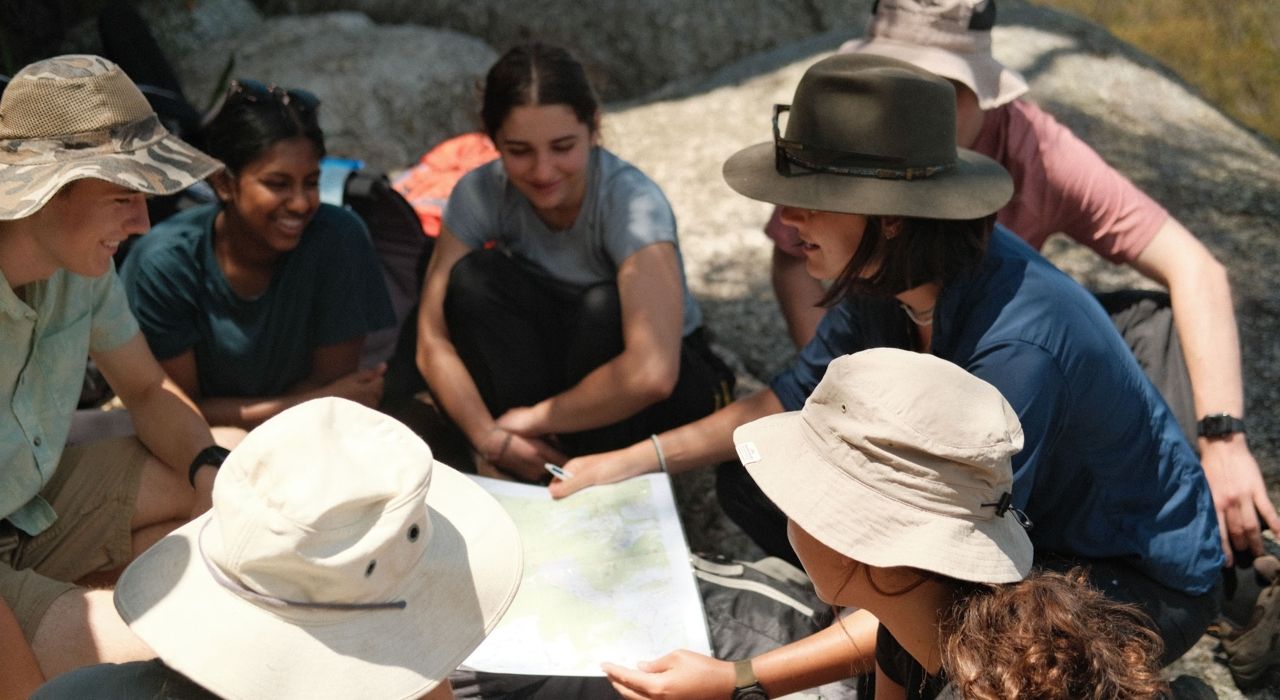
Small adjustments often have a significant impact. A participant with ADHD may thrive when given responsibility for navigation or camp tasks. A participant with autism may excel through routines, clear expectations and opportunities to engage deeply with areas of interest.
Inclusive communities do not lower expectations; they broaden the ways participants can succeed.
Flexibility is a Leadership Skill
Outdoor programs often involve uncertainty, changing conditions and challenging experiences. For neurodivergent participants, these factors can increase stress and anxiety.
Emotionally intelligent leaders recognise the importance of:
- Allowing extra time.
- Breaking instructions into manageable steps.
- Using both visual and verbal communication.
- Providing additional supervision where required.
- Offering alternative activities or roles.
- Building flexibility into program schedules.
The principle of challenge by choice becomes especially important. Participants can still experience growth and achievement while engaging in activities that align with their individual capacities and readiness.
Supporting Participants During Difficult Moments
Despite preparation and support, situations may arise where participants become overwhelmed.
Anxiety, panic responses and dissociation can occur in outdoor settings, particularly during periods of stress, fatigue or uncertainty. Field staff who respond calmly and empathetically can make a significant difference. Effective responses include:
- Reducing environmental stressors.
- Moving to quieter spaces.
- Using calm, simple communication.
- Encouraging slow breathing.
- Providing reassurance and orientation.
- Remaining physically and emotionally present.
The goal is not to “fix” the participant, but to create safety and support until regulation returns.
Looking Forward
Supporting neurodivergent participants is not simply about accommodating their needs. It is about creating outdoor experiences where all young people have opportunities to belong, contribute, challenge themselves and grow.
When outdoor leaders combine emotional intelligence with thoughtful program design, effective communication and inclusive practices, they create environments where neurodivergent participants can flourish.
Ultimately, emotionally intelligent leadership benefits everyone. The same qualities that support neurodivergent participants — empathy, flexibility, communication and connection — strengthen group culture, improve safety and deepen learning outcomes for all.
As the outdoor sector evolves, emotionally intelligent leadership may prove to be one of the most important skills we can develop.